Glide Into the Golden Hours on Quiet Cottage Lakes

Reading Water and Light at First Glow and Last Ember
Quiet Launches and Courteous Routes Around Cottage Shores

Choosing Discreet Put-ins and Parking Without Footprint
Shoreline Buffering and No-Wake Respect at Dawn
Loops Linking Coves, Narrows, and Lily-Bordered Backwaters
Safety, Comfort, and Timing in Low Light
01
Essential Lights, Reflectivity, and Audible Signals That Get You Seen
Carry a 360-degree white light or bright headlamp you can raise above the deck, plus a spare tucked dry. Reflective tape on paddle blades and bow lines flares brilliantly under passing beams. A pealess whistle and simple hand signals coordinate partners in silence. Test everything before launch, then protect night vision by shielding lights downward until needed, preserving both safety and the lake’s fragile pre-dawn stillness.
02
Clothing, Warmth, and Hydration for Cold Water Surprise
Even midsummer lakes can chill to the bones during long stillness. Layer synthetics or wool, add a windproof shell, and pack a dry bag with a hat, gloves, and an extra top. Sip warm tea, snack early, and keep hands flexible with gentle stretches. Respect cold shock risk during shoulder seasons; a conservative wardrobe buys priceless minutes, calmer decisions, and a comfortable smile at the takeout.
03
Smart Timelines, Check-ins, and Turnaround Points You'll Actually Keep
Write a simple plan: launch time, route, latest return, and a brief check-in text. Set a turnaround at the second point or when the sun kisses a particular ridge, whichever comes first. Do not chase the final color; save it for next time. This keeps energy reserves high, avoids rushed paddling in darkness, and makes room for spontaneous rests when loons call or deer step shyly to drink.
Wildlife Encounters, Quiet Ethics, and Gentle Curiosity

Loons, Nests, and Respectful Distances That Protect Families
Loons look serene yet spook easily when chicks ride low or calls tighten. Stay two hundred feet or more, angle away from direct approaches, and pause if alarm trills rise. Skip circling for photos; one elegant pass and a quiet memory suffice. Your restraint helps migration-ready bodies thrive, and your journal will glow with gratitude instead of nervous wingbeats fading into the trees.
Beavers, Herons, Otters, and Reading Behavioral Signals
Loons look serene yet spook easily when chicks ride low or calls tighten. Stay two hundred feet or more, angle away from direct approaches, and pause if alarm trills rise. Skip circling for photos; one elegant pass and a quiet memory suffice. Your restraint helps migration-ready bodies thrive, and your journal will glow with gratitude instead of nervous wingbeats fading into the trees.
Small Creatures, Big Wonder: Dragonflies, Swallows, and Frogs at Choir Time
Loons look serene yet spook easily when chicks ride low or calls tighten. Stay two hundred feet or more, angle away from direct approaches, and pause if alarm trills rise. Skip circling for photos; one elegant pass and a quiet memory suffice. Your restraint helps migration-ready bodies thrive, and your journal will glow with gratitude instead of nervous wingbeats fading into the trees.

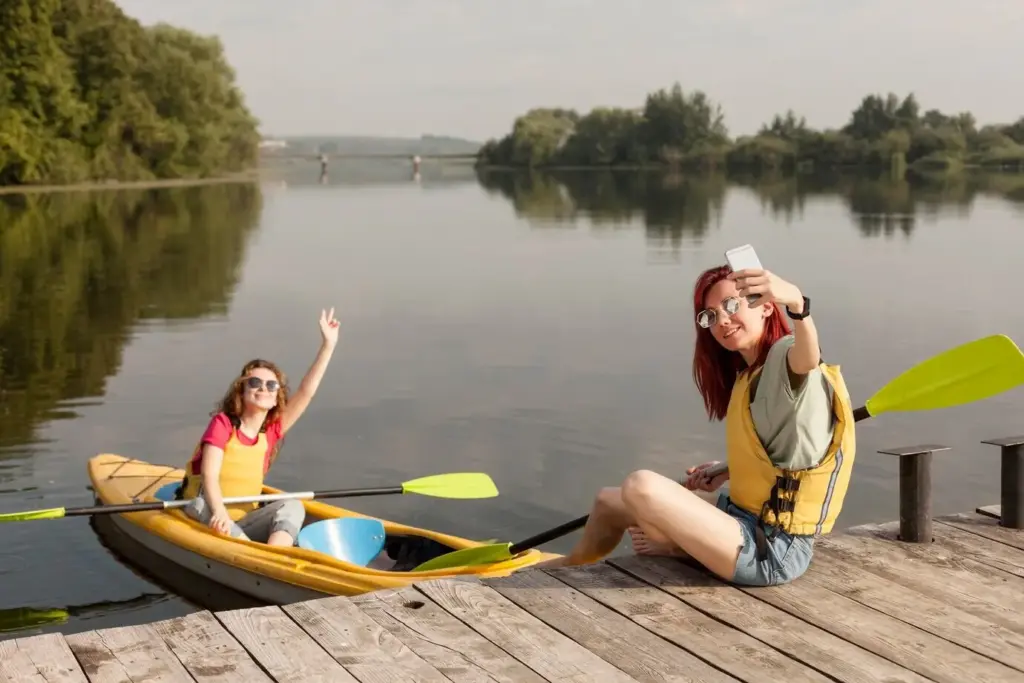
Photography, Soundscapes, and Meaningful Keepsakes
Seasons on the Lake: Subtle Changes, Better Routes
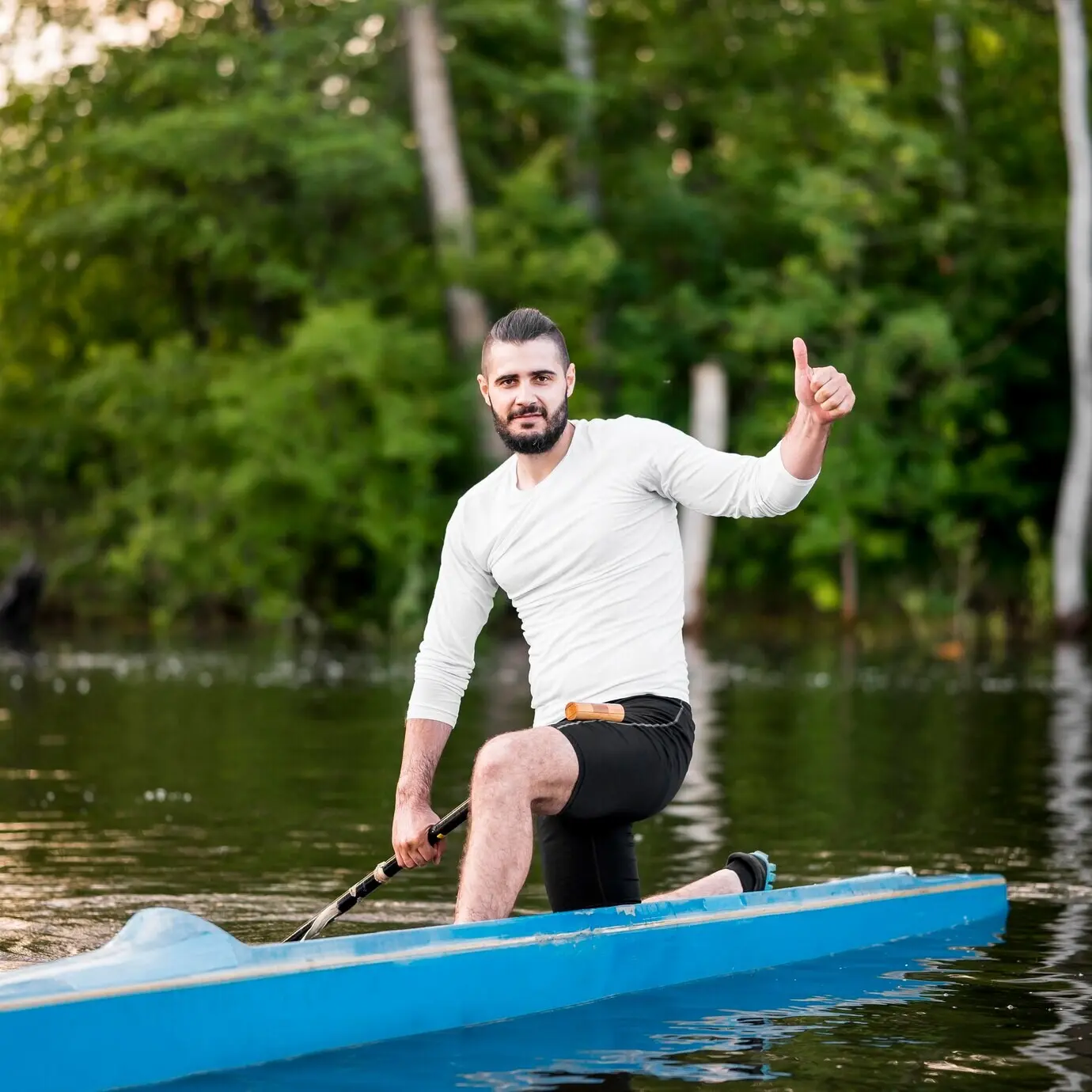
Spring Ice-Out Mornings: Cold, Clear, and Demanding Respect
High-Summer Tranquility Before Engines Awake
Autumn Flames and Quiet Evenings That Steal Your Breath
All Rights Reserved.